
How to Increase Breast Milk Naturally at Home: A Practical, Evidence-Based Guide
By Teddyy Editorial Team | Last Updated: April 23, 2026

If you’ve clicked on this blog, chances are you’re feeling unsure, or maybe even a little anxious, about whether you’re producing enough milk for your baby. Maybe you’ve looked at a bottle you just pumped and wondered, “Is this really enough?” You’re not alone. Almost every new mom has that thought at some point.
The truth is, your body is usually capable of making the milk your baby needs. It just needs the right kind of support. This guide will walk you through simple, proven ways to increase breast milk and other practical methods how to increase breast milk naturally at home, so you can feel more confident, more in control, and a little less overwhelmed during these early days. Teddyy knows that when you’re supported, nourished, and well-informed, both you and your baby thrive.
Section 1: Feed Frequently & Effectively
- Offer the breast whenever your baby shows early hunger cues (stirring, rooting, hand-sucking).
- Night feeds are key – prolactin is higher at night.
Section 2: Perfect the Latch & Positioning
- Ensure baby’s mouth covers most of the areola, lips flanged outward.
- Comfortable positions: cradle hold, football hold, side-lying.
Section 3: Empty the Breasts Well
- Switch breasts during feeding.
- Express milk after feeds if needed.
- Power pumping mimics cluster feeding to boost supply.
Section 4: Food & Hydration
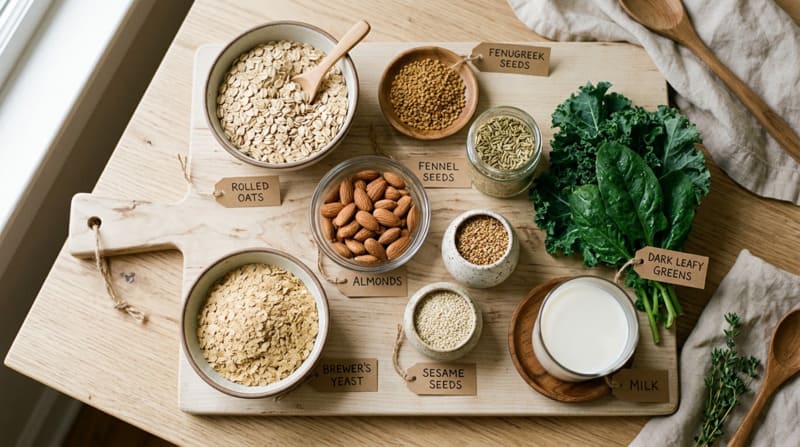
- Include oats, barley, leafy greens (Indian foods known to support milk).
- Hydrate steadily throughout the day.
Section 5: Lifestyle & Rest
- Prioritise sleep and rest whenever possible.
- Reduce stress and include skin-to-skin contact.
Section 6: Galactagogues & Cautions
- Some herbs (fennel, fenugreek, garlic) may help slightly.
- Avoid myths: breast size, drinking excessive milk or ghee doesn’t increase supply.
- Always consult a doctor if considering supplements.
How Milk Supply Works
The first thing to understand is that breast milk works on a simple principle: supply and demand. The more your baby nurses effectively, the more milk your body makes. Every time your little one suckles, it signals your breasts to produce more. That’s why frequent and effective feeding is the foundation of boosting supply through breastfeeding. Understanding this demand-supply cycle is the first step to increase breast milk production effectively.
What is a good sign that milk transfer is happening well? You’ll notice your baby actively sucking and swallowing, your breasts feel lighter after a feed, and your baby seems satisfied for a while afterwards. If you’re missing these signs, don’t panic; it may just take a few adjustments.
Feed Frequently & Effectively
Curious about how to boost breast milk naturally? One of the most powerful steps is to feed on demand. That means offering the breast whenever your baby shows early hunger cues, such as stirring, rooting, or sucking on their hands, instead of waiting for them to cry.
Night feeds may feel exhausting, but they actually play a crucial role. Your body’s milk-making hormone, prolactin, is higher at night. By feeding at night, you’re giving your supply a natural boost. Remember, babies don’t run by the clock. The more you respond to their cues, the better your supply will match their needs. This responsive feeding approach is one of the most natural ways to increase breast milk supply.
Perfect the Latch & Positioning
Sometimes, low supply isn’t really about your body. it’s about how the baby is latched. A shallow latch can mean your baby isn’t getting enough milk, and your breasts aren’t being emptied well.
A good latch usually means: your baby’s mouth covers more of the areola than just the nipple, their lips are flanged outward like “fish lips,” and feeding feels comfortable, not painful. If you feel a pinch, hear clicking sounds, or notice your baby becoming frustrated, the latch may need adjustment.
Changing positions, like side-lying, cradle hold, or football hold, can also help. If you’re struggling despite trying, don’t hesitate to reach out to a doctor or a lactation consultant. Sometimes a tiny tweak makes all the difference and can significantly help increase breast milk flow.
Empty the Breasts Well
To enhance breast milk naturally, you need to ensure your breasts are emptied properly during each feed. That doesn’t mean they need to feel completely flat, but the more milk that leaves, the more your body will be signalled to make.
You can try switching nursing: when your baby slows down on one side, switch to the other breast, then return to the first. Expressing your breast milk by hand or using a pump after feeds can also help if your baby isn’t nursing efficiently. Some moms benefit from power pumping, short, frequent pumping sessions that mimic cluster feeding and encourage the body to make more milk. These techniques can naturally increase breast milk over time.
Food, Fluids & Lifestyle
Here’s where most advice tends to get confusing. So if you ask how to enhance breast milk naturally? you’ll hear everything from drinking buckets of milk to eating endless laddoos. The truth? No magic food can instantly increase supply. However, a balanced diet does support your energy and recovery, indirectly helping milk production.
Thinking of some Indian food to increase breast milk? You have options like oats, barley, and leafy greens, which are gentle options often used in traditional diets. Hydration is important too, but overdoing water won’t help; in fact, it can make you feel bloated. Aim for steady sips through the day rather than forcing litres at once.
When it comes to how to improve breast milk naturally, your lifestyle matters as much as your plate. Rest whenever possible (yes, naps count!), reduce stress where you can, and include plenty of skin-to-skin contact with your baby. These small things signal your body that you and your baby are safe, and that it’s okay to produce abundantly.
Galactagogues & Myths
You’ve probably heard of foods or herbs called breast milk food boosters or “galactagogues.” Oats, barley, fennel, fenugreek, and even garlic are common suggestions. Some may help slightly, others not at all, and some can cause side effects like stomach upset in babies. Always check with your doctor before starting anything new, especially if you’re looking for safe ways to increase breast milk.
What you should avoid are myths surrounding how to increase breast milk flow naturally, like drinking gallons of milk, eating too much ghee, or believing that your breast size determines supply. None of those is true. If you ever feel your baby isn’t thriving or your supply truly isn’t enough, don’t wait. That’s the time to seek professional help, not home remedies alone.
Indian Lactation Foods That Actually Work
Methi seeds (fenugreek), roasted ajwain, fresh garlic, oats, dill leaves (suva bhaji), drumstick (moringa), urad dal, bottle gourd, and til seeds have the strongest evidence base in Indian kitchens. Soak 1 teaspoon methi overnight and drink the water on an empty stomach, or eat methi paratha 4 to 5 times a week. A glass of warm haldi-doodh before bed combines hydration, protein, and rest. Eat one fistful of soaked almonds and 2 dates daily for steady energy. Avoid sage, parsley, mint and high-dose peppermint — these are known to suppress milk supply. Stick to home-cooked meals; ultra-processed foods and very low-calorie diets dent supply within days.
Pumping Schedule to Build a Stash Without Hurting Supply
Power pumping mimics cluster feeding and signals breasts to make more milk. Pump for 20 minutes, rest 10, pump 10, rest 10, pump 10 — once a day for 3 to 5 days. Add one extra pumping session at the same time every day (early morning works best when prolactin is highest). Always pump after a feed, not in place of one, so the baby still drains the breast first. A double electric pump is more efficient than single — invest in one if you plan to return to work. Storage rule: 4 hours room temperature, 4 days fridge, 6 months deep freezer.
Stress, Sleep and the Letdown Reflex
Cortisol (the stress hormone) directly blocks the letdown reflex, which is why milk often “won’t come” when you are anxious or in a hurry. Before each feed or pump, take 3 deep breaths, look at your baby’s photo or smell their clothes, and gently massage the breast from outside in for 30 seconds. Sleep when the baby sleeps even if it means dishes pile up — supply drops measurably after just 2 nights of broken sleep under 4 hours. Skin-to-skin contact for 20 minutes a day raises prolactin and oxytocin together, the two hormones that drive supply.
When Low Supply Is Real and Needs a Specialist
True low supply (insufficient glandular tissue, retained placenta, severe blood loss, hypothyroidism, PCOS, or previous breast surgery) affects only about 5% of mothers. Red flags: baby has fewer than 6 wet nappies a day after week 1, weight gain less than 150 grams a week, you cannot pump even 30 ml after a missed feed, or breasts never felt fuller after delivery. See a certified lactation consultant (IBCLC) and your gynaecologist together — they can check thyroid, prolactin and ferritin levels and guide on safe medications like domperidone if needed.
Conclusion
Motherhood is full of enough self-doubt without worrying over every ounce of milk. Remember that your body is designed for this, and most of the time, it knows exactly what to do. By feeding often, perfecting latch, emptying your breasts, and caring for your own well-being, you’re already doing the most important things to increase breast milk and give your baby the best. And whenever you need extra support, it’s okay to ask, because no mother should ever feel alone in this journey.
References & Sources
You May Also Like




Frequently Asked Questions
Am I truly low on supply—how can I tell?
It’s easy to doubt yourself, but low supply is less common than you think. As long as your baby is gaining weight steadily, has 6–8 wet diapers a day, and seems alert and content, you’re likely making enough.
What are the most effective ways to boost supply naturally?
Frequent and effective feeding, ensuring a good latch, emptying your breasts well, and resting your body are the strongest natural booster breast milk. These are far more reliable than any single food.
Do I need special drinks or extra water to increase milk?
Not really. Drinking to thirst is enough. While warm soups or herbal teas can feel soothing, plain water works just as well. Overhydration won’t increase supply.
Which foods or herbs might help—and what should I watch for?
Oats, barley, fennel, and fenugreek are commonly suggested. They may offer a mild boost, but watch for signs of gassiness or allergies in your baby. Moderation is key.
How should pumping (or power pumping) fit into my routine?
If your baby feeds well, pumping may not be necessary. However, if you want to store milk, maintain your milk supply during separation, or give your body an extra boost, pumping after feeds or trying a few days of power pumping can help.
When should I see an IBCLC or doctor about low supply?
If your baby isn’t gaining weight well, seems constantly unsatisfied, or if you have ongoing pain during feeding, don’t wait. Getting timely help ensures both you and your baby thrive.