
Home Remedies for Stretch Marks During Pregnancy
By Teddyy Editorial Team | Last Updated: April 23, 2026
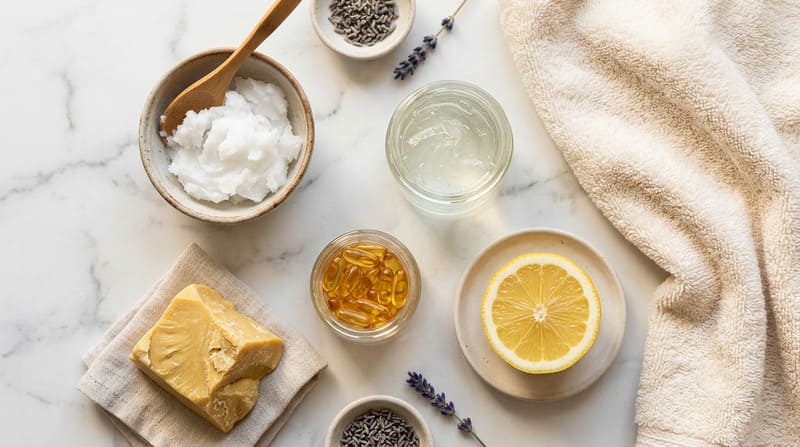
Looking in the mirror, do you see endless stretch marks? You’re not alone. Many expecting mothers share this concern as their bodies undergo changes to nurture a new life. Stretch marks are a common part of this journey, and while they’re a natural sign of growth, it’s understandable to wonder how to prevent stretch marks during pregnancy and seek ways to minimise their appearance.
Key Takeaways
- Stretch marks in pregnancy are very common and can appear on your belly, breasts, hips, and thighs.
- Stretch marks, also known as striae, can appear in different forms during pregnancy.
- Stretch marks are a natural part of pregnancy, but these home remedies can be the answer to the question – how to avoid marks during pregnancy:.
- Taking care of your body can help reduce the likelihood of stretch marks.
- While stretch marks are natural, these treatments can help reduce their appearance and soothe your skin:.
What Causes Stretch Marks during Pregnancy?
Stretch marks in pregnancy are very common and can appear on your belly, breasts, hips, and thighs. Here’s why they happen:
- Rapid Skin Stretching: As your baby grows, your skin stretches quickly to accommodate your changing body. This rapid stretching can tear the middle layer of your skin (dermis), leading to stretch marks.
- Hormonal Changes: Pregnancy hormones, especially cortisone, can soften the fibres in your skin, making it easier for stretch marks to form when your skin stretches.
- Genetics: If your mother or other women in your family had stretch marks during pregnancy, you’re more likely to get them too. Genetics play a big role in how your skin responds to stretching.
- Weight Gain: Gaining weight quickly can also contribute to stretch marks. A gradual and healthy weight gain, as recommended by your doctor, can help reduce the risk.
Types of Stretch Marks During Pregnancy?
Stretch marks, also known as striae, can appear in different forms during pregnancy. Here’s a look at the common types:
- Striae Gravidarum: These are the most common types of stretch marks in pregnancy. They often appear as pink, red, or purple lines on your belly, breasts, hips, and thighs. Over time, they can fade to a lighter colour.
- Striae Atrophicae: These stretch marks are usually thin and can be lighter than the surrounding skin. They can appear due to the rapid stretching of the skin.
- Striae Rubrae: These are fresh stretch marks that are red or purple in colour. They appear when the skin first starts to stretch and can be itchy.
- Striae Albae: These are older stretch marks that have faded over time. They are usually white or silver and less noticeable.
Home Remedies for Stretch Marks During Pregnancy?
Stretch marks are a natural part of pregnancy, but these home remedies can be the answer to the question – how to avoid marks during pregnancy:
- Moisturise Regularly: Apply cocoa butter, shea butter, or almond oil to keep your skin hydrated and elastic. Massage gently to improve circulation.
- Stay Hydrated: Drink plenty of water to keep your skin hydrated from the inside out. Well-hydrated skin is more resilient and less prone to stretch marks.
- Apply Vitamin E Oil: Vitamin E oil is known for its skin-repairing properties. It can nourish your skin and help with healing.
- Use Aloe Vera: Apply aloe vera gel to soothe and moisturise your skin. It can help with skin regeneration and reduce the appearance of stretch marks.
- Consume a Healthy Diet: Eat foods rich in vitamins C and E, zinc, and silica. These nutrients support skin health and elasticity.
- Gentle Exfoliation: Use a natural scrub, like sugar and coconut oil, to exfoliate your skin. This can remove dead skin cells and improve skin texture.
How to Prevent Stretch Marks During Pregnancy Through Lifestyle Habits
Taking care of your body can help reduce the likelihood of stretch marks. Here are some habits that can help you prevent stretch marks during pregnancy:
- Regular Exercise: Gentle activities like walking, swimming, or prenatal yoga can help maintain a healthy weight and improve blood circulation, benefiting your skin.
- Avoid Rapid Weight Gain: Aim for gradual weight gain as recommended by your healthcare provider. Sudden weight changes can increase the risk of stretch marks.
- Skin-Boosting Supplements: Consider supplements like vitamin C, vitamin D, and collagen (with your doctor’s approval) to support skin health from within.
- Wear Comfortable Clothing: Opt for loose, breathable clothing to avoid skin irritation and keep your skin comfortable as it stretches.
- Rest and Relax: Ensure you get plenty of rest and manage stress. Stress can affect your skin’s health, so practice relaxation techniques like deep breathing or meditation.
How Can You Manage Stretch Marks During Pregnancy
While stretch marks are natural, these treatments can help reduce their appearance and soothe your skin:
- Topical Creams: Use creams or oils specifically designed for stretch marks. Ingredients like hyaluronic acid can be effective.
- Regular Massage: Gently massage the affected areas with oils like coconut oil, almond oil, or shea butter to improve blood flow and skin elasticity.
- Collagen-Boosting Treatments: Apply products containing peptides to help boost collagen production, which can improve skin texture and firmness.
- Laser Therapy: Consult a dermatologist about laser treatments that can help reduce the redness and texture of stretch marks. This is often done post-pregnancy.
- Microdermabrasion: This treatment can exfoliate the top layer of skin, promoting new skin growth and reducing the appearance of stretch marks. Consult a professional for this.
- Chemical Peels: Mild chemical peels can help rejuvenate the skin and reduce stretch marks. Ensure it’s safe during and after pregnancy with your doctor’s advice.
When Do Stretch Marks Appear During Pregnancy?
Most women notice stretch marks between the second and third trimester, usually around the sixth or seventh month when the belly grows fastest. Some get them earlier on the breasts and thighs as hormones shift in the first trimester. The marks start as pink, red, or purple streaks (called striae rubra) and slowly fade to silvery-white lines (striae alba) months after delivery. Tracking when they show up helps you start care early, which improves how the skin recovers later.
Are Stretch Marks Genetic? What Increases Your Risk
Yes — genetics play a major role. If your mother or sister got stretch marks during pregnancy, you have a higher chance of developing them too. Other risk factors include rapid weight gain, carrying twins or a large baby, being younger (skin has less mature collagen), low hydration, poor nutrition, and a personal history of stretch marks during puberty. Knowing your risk does not mean you cannot reduce visibility — it just means consistent care matters more.
Best Time to Start Stretch Mark Care
Start moisturizing daily from the first trimester, even before your bump shows. Skin that stays well hydrated stretches with less tearing of the dermal collagen. Focus on the belly, breasts, hips, thighs, and lower back. A two-minute massage with a natural oil or rich cream after your morning shower and before bed is enough. Early consistency works better than expensive products applied late.
Foods That Support Skin Elasticity
Your skin needs nutrients from the inside to stretch without tearing. Build your meals around vitamin C (oranges, amla, guava, bell peppers) for collagen production, vitamin E (almonds, sunflower seeds, avocado) for skin repair, zinc (pumpkin seeds, chickpeas, paneer) for tissue healing, and omega-3 fats (walnuts, flaxseed, fatty fish) for dermal flexibility. Drink at least 2.5 to 3 litres of water daily and include a serving of curd or buttermilk for gut health, which reflects on the skin.
Stretch Mark Removal After Pregnancy: What Actually Works
Most marks fade significantly on their own within 6 to 12 months postpartum. To speed up fading, dermatologists recommend topical retinoids (only after you stop breastfeeding), hyaluronic acid serums, and ingredients like centella asiatica or rosehip oil. For stubborn old marks, in-clinic options include microneedling, fractional laser, and chemical peels — these stimulate new collagen and improve skin texture. Always wait at least three months postpartum and consult a dermatologist before starting any active treatment.
Common Myths About Pregnancy Stretch Marks
Myth one: cocoa butter alone prevents stretch marks. Truth — research shows no single product fully prevents them; consistent hydration matters more than the brand. Myth two: only overweight women get stretch marks. Truth — even slim women with rapid bump growth develop them. Myth three: tanning hides stretch marks. Truth — UV exposure makes them more visible because old marks do not tan. Myth four: stretch marks mean weak skin. Truth — they are a normal sign of skin adapting to fast growth.
When to See a Doctor
Stretch marks are harmless, but speak to your doctor if marks are deeply itchy with a rash (could indicate PUPPP, a pregnancy skin condition), if they appear suddenly with rapid weight gain (rule out fluid retention or preeclampsia), or if you want a postpartum treatment plan. A dermatologist can suggest safe options based on your skin type, marks age, and breastfeeding status.
Quick Daily Routine to Reduce Stretch Marks
Morning: shower with a mild moisturizing body wash, then massage your belly, hips, and breasts with a blend of almond oil and a few drops of vitamin E for two minutes. Mid-day: drink a glass of water every hour and eat one fruit rich in vitamin C. Evening: apply a thick cream with shea butter or hyaluronic acid; gently knead in circular motions. Bedtime: spend five minutes in stretches that ease back tension and improve circulation. Stick to this for 12 weeks to see real difference.
Conclusion
Stretch marks are a natural part of the beautiful journey called pregnancy. While they can be a source of concern for many, it’s important to remember that they signify the amazing changes your body is undergoing to bring a new life into the world. By adopting some simple lifestyle habits, using home remedies, and exploring gentle treatments, you can care for your skin and potentially minimise the appearance of stretch marks.
References & Sources
- World Health Organization (WHO). Maternal and Newborn Health. who.int
- Indian Council of Medical Research (ICMR). National Guidelines for Maternal Care. icmr.gov.in
- American Academy of Pediatrics (AAP). Caring for Your Baby. aap.org
- Indian Academy of Pediatrics (IAP). Child Health Guidelines. iapindia.org
- National Library of Medicine. Diaper Dermatitis. pubmed.ncbi.nlm.nih.gov
- National Institute of Nutrition (NIN). Dietary Guidelines for Indians. nin.res.in
You May Also Like




Frequently Asked Questions
Can pregnancy stretch marks be prevented?
Regularly moisturising and staying hydrated can help, but sometimes genetics make stretch marks unavoidable.
Do stretch marks go away after pregnancy?
Stretch marks usually fade over time, becoming less noticeable. With patience and self-care, they blend into your skin’s natural texture.
What causes stretch marks during pregnancy?
Rapid skin stretching and hormonal changes cause stretch marks. They’re a natural part of pregnancy, showing how your body adapts.
How do celebrities not have stretch marks after pregnancy?
Celebrities often use expensive treatments, professional skincare, and photo editing. Remember, every body is unique and beautiful in its own way!