
How to Increase Haemoglobin Level in Pregnancy?
By Teddyy Editorial Team | Last Updated: April 23, 2026

Have you been feeling unusually tired, dizzy, or short of breath since you conceived? If so, it could be a sign of low haemoglobin levels—a common concern during pregnancy. Pregnancy is an extraordinary journey filled with changes as your body works tirelessly to support the little life growing inside you. One of the key players in this process is haemoglobin, a protein that carries oxygen throughout your body and to your developing baby. Low haemoglobin levels in pregnancy can lead to complications, so keeping those levels healthy is vital. Wondering why haemoglobin is so important during pregnancy and how to maintain it? Let’s dive in!
Key Takeaways
- Haemoglobin might sound like a complicated term, but it’s actually a protein in your red blood cells.
- Haemoglobin normal range in pregnancy is ideally between 11.5 and 13.0 g/dl.
- There are several things you can do to ensure optimal meet the hemoglobin normal range in pregnancy.
- Keeping your haemoglobin levels in check during pregnancy is more than just a health goal—it’s a way to ensure a safe and happy journey for both you and your baby.
- For more information on managing Haemoglobin levels in pregnancy, consult trusted medical sources.
Understanding Hemoglobin and Its Role During Pregnancy
Haemoglobin might sound like a complicated term, but it’s actually a protein in your red blood cells. Its main job? Carrying oxygen from your lungs to the rest of your body and bringing carbon dioxide back to the lungs to be exhaled. During pregnancy, this task becomes even more critical, as haemoglobin ensures your growing baby gets the oxygen it needs to thrive.
To keep your haemoglobin levels in check, your body needs a steady supply of iron and essential vitamins. Without these nutrients, your haemoglobin production can drop, leading to a condition called anaemia. Anemia during pregnancy since your body is working overtime to meet increased nutritional demands.
Anemia during pregnancy isn’t something to ignore. It can affect your baby’s growth and development, especially in the early stages. If left untreated, it could lead to complications like preterm birth or low birth weight. Even after birth, babies born to mothers with untreated anaemia might face developmental issues due to low haemoglobin levels. Taking steps to maintain healthy haemoglobin levels in pregnancy is not just important—it’s essential for both you and your baby.
Signs of Low Haemoglobin Levels in Pregnancy
Haemoglobin normal range in pregnancy is ideally between 11.5 and 13.0 g/dl. If they drop below 10.0 g/dl, it’s a sign of anaemia, which can bring along challenges for both you and your baby. At first, mild anaemia might sneak by without any obvious symptoms. But as it progresses, you might start to notice:
- Feeling constantly tired (even after rest)
- Getting short of breath easily
- Feeling cold, even when it’s warm
- Feeling dizzy or weak
- Persistent headaches
- A racing heartbeat
- Skin that looks pale, feels dry, or bruises easily
- That restless, twitchy feeling in your legs (restless legs syndrome)
- A sore tongue that feels uncomfortable
Spotting these symptoms early is key to staying on top of your health and ensuring both you and your baby get the care you need.
How to Increase Haemoglobin During Pregnancy
There are several things you can do to ensure optimal meet the hemoglobin normal range in pregnancy. These include:
Get Enough Iron
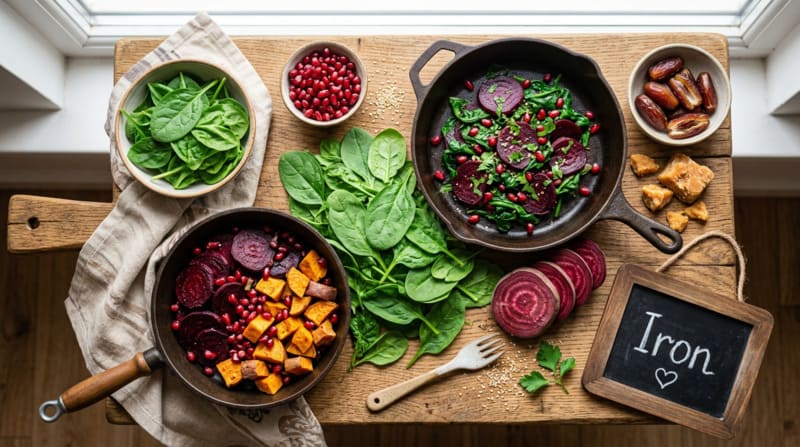
One of the most effective ways to increase haemoglobin levels in pregnancy is by ensuring you get enough iron. During pregnancy, your daily iron requirement increases to 27 milligrams. Prenatal vitamins with iron can help prevent or manage anaemia, but a balanced diet also plays a vital role. Include iron-rich foods in your meals, such as poultry, lean red meat, and fish. Plant-based options like iron-fortified cereals, dried beans, dark leafy greens, and peas are also excellent sources to help meet your iron needs during this crucial time.
Read more: Pregnancy Guide: Foods to Avoid When Pregnant
Load Up on Folic Acid
Did you know that low haemoglobin levels in pregnancy can sometimes be traced back to a folic acid deficiency? The good news is that you can easily get enough folic acid by eating the right foods. Here’s how you can load up on this essential nutrient:
- Leafy Greens: Think kale, spinach, or Swiss chard—they’re folic acid powerhouses.
- Citrus Fruits: Juicy oranges, grapefruits, and lemons aren’t just refreshing—they’re great for your folic acid needs too.
- Legumes: Lentils, beans, and peas are versatile, delicious, and packed with folate.
Incorporating these foods into your diet not only helps maintain healthy haemoglobin levels but also supports a smooth and healthy pregnancy journey.
Take a Diet Rich in Vitamin B12
Did you know that Vitamin B12 is crucial when it comes to producing red blood cells and keeping anaemia at bay? It’s a key nutrient your body needs, but here’s the catch: it’s mostly found in animal-based foods. So, if you’re vegetarian or vegan, you’ll need to pay extra attention to getting enough. Here are some easy and delicious ways to add Vitamin B12 to your diet:
- Dairy Products: Sip on milk, enjoy cheese, or grab some yogurt—they’re all rich in B12!
- Eggs: Quick to prepare and a fantastic source of this vital nutrient.
- Fortified Foods: Choose plant-based milks or cereals fortified with B12 for a convenient, animal-free option.
Stay Hydrated
Staying hydrated is a game-changer for your health, especially during pregnancy. Aim for 8–10 glasses of water daily to keep your blood volume at its best and your circulation running smoothly. Hydration also ensures oxygen and nutrients are delivered effectively to both you and your baby, helping maintain healthy haemoglobin levels. So, grab that water bottle and sip away for a healthier you.
Exercise Regularly
Keeping active during pregnancy isn’t just about staying fit—it’s about boosting your blood flow and supporting haemoglobin production. Moderate exercises like brisk walking, prenatal yoga, or swimming are fantastic ways to get moving. They not only enhance your cardiovascular health but also ensure your red blood cells are working their magic, keeping both you and your baby in great shape.
Normal Haemoglobin Range by Trimester
Haemoglobin naturally drops in pregnancy because blood volume increases by 40-50% while red blood cell count rises more slowly. The normal range is 11 g/dL or higher in the first trimester, 10.5 g/dL in the second, and 11 g/dL again by the third. Below 11 g/dL is considered anaemia and is one of the most common pregnancy issues in India, affecting nearly half of pregnant women.
Mild anaemia (10 to 10.9 g/dL) is managed with diet changes and oral iron supplements. Moderate (7 to 9.9 g/dL) needs higher dose iron and close monitoring. Severe anaemia (below 7 g/dL) usually requires intravenous iron or blood transfusion, especially near delivery. Your obstetrician will test your Hb at booking, at 28 weeks and at 36 weeks.
Top Iron-Rich Indian Foods for Pregnancy
Animal sources absorb best: eggs (one daily), chicken liver twice a week, and well-cooked fish like rohu or mackerel. For vegetarians, focus on spinach, amaranth (chaulai), drumstick leaves, beetroot, dates, figs, raisins, jaggery, sesame seeds and ragi. A bowl of palak dal, a glass of beetroot-carrot juice, and a handful of dates cover most daily iron needs.
Cook in iron kadhai — this alone adds 3-5 mg of iron per meal. Combine iron-rich foods with vitamin C sources (amla, orange, guava, lemon, tomato) in the same meal to triple absorption. Avoid tea, coffee, milk and calcium supplements within one hour of iron-rich meals or iron tablets — they block absorption significantly.
Iron Supplements: Timing and Tips
Standard prescription is 60 mg elemental iron daily from week 14 for prevention, and 100-200 mg daily for anaemia treatment. Take the tablet on an empty stomach with a glass of lemon water or orange juice for best absorption. If it causes nausea, take it just before bed or with a small snack. Common brands in India include Fefol, Fesovit, Autrin and Dexorange.
Black stools and mild constipation are normal side effects. To manage constipation, increase fibre (prunes, papaya, oats), water intake, and add a probiotic. If iron tablets cause severe nausea or vomiting even after switching brands, ask your doctor about IV iron (Venofer or FCM) — a single infusion raises Hb by 1-2 g/dL over 2-3 weeks.
Warning Signs of Severe Low Haemoglobin
Extreme fatigue, breathlessness while walking a few steps, dizziness on standing, rapid heartbeat, pale nail beds and inside lower eyelids, brittle nails and hair fall are all signs your Hb may be dropping fast. Persistent headaches, chest pain, swelling in ankles with low Hb and reduced fetal movement need same-day medical attention.
Severe anaemia raises risks of preterm delivery, low birth weight, postpartum haemorrhage and infection. The baby may also be born with low iron stores, needing iron drops from 4 months of age. Never ignore the signs thinking it is just pregnancy tiredness — a simple blood test gives the answer, and treatment is straightforward when caught early.
Daily Meal Plan to Boost Haemoglobin
Early morning: soaked raisins and 4 dates in water, plus one amla or orange. Breakfast: ragi dosa with coconut chutney or vegetable poha, boiled egg, and a glass of beetroot juice. Mid-morning: a handful of roasted chana and peanuts. Lunch: two jowar rotis, palak dal, chicken curry or rajma, beetroot salad with lemon, and curd.
Evening: sesame til laddoo or jaggery-peanut chikki, and a cup of lemon-ginger tea (no regular chai near meals). Dinner: quinoa khichdi, drumstick sambar, fish or paneer, and a pomegranate bowl. Before bed: a glass of warm milk with soaked dates (two hours after iron tablet only). Following this daily, most women see Hb rise 1-1.5 g/dL in 4-6 weeks.
Conclusion
Keeping your haemoglobin levels in check during pregnancy is more than just a health goal—it’s a way to ensure a safe and happy journey for both you and your baby. Wondering how to increase haemoglobin during pregnancy? The answer lies in small, consistent changes. By adding iron-rich foods, folic acid, and Vitamin B12 to your diet, staying hydrated, and incorporating light exercises like walking or prenatal yoga, you’re taking active steps toward a healthier pregnancy. Think of it as giving your body and your little one the best care possible. And remember, every pregnancy is unique—don’t shy away from seeking advice from your doctor for tips tailored just for you.
Expert Resources on Haemoglobin levels in pregnancy
For more information on managing Haemoglobin levels in pregnancy, consult trusted medical sources. The American College of Obstetricians and Gynecologists (ACOG) provides detailed guidance on prenatal nutrition and iron intake. The World Health Organization (WHO) also offers comprehensive guidelines on anaemia prevention during pregnancy. Additionally, HealthyChildren.org shares useful information for expecting mothers.
References & Sources
You May Also Like




Frequently Asked Questions
Which food increases hemoglobin during pregnancy?
Iron-rich foods like lean meat, spinach, lentils, and iron-fortified cereals boost hemoglobin levels.
Is 9.5 hemoglobin low during pregnancy?
Yes, 9.5 g/dl is considered low and may indicate anemia. Consult your doctor for treatment options.
How can I raise my hemoglobin fast?
Consume iron-rich foods with Vitamin C for better absorption, take prescribed iron supplements, and stay hydrated.
What can I drink to increase my hemoglobin during pregnancy?
Drink iron-rich beverages like beetroot juice, spinach smoothies, or fortified plant-based milks paired with Vitamin C-rich juices like orange juice.